
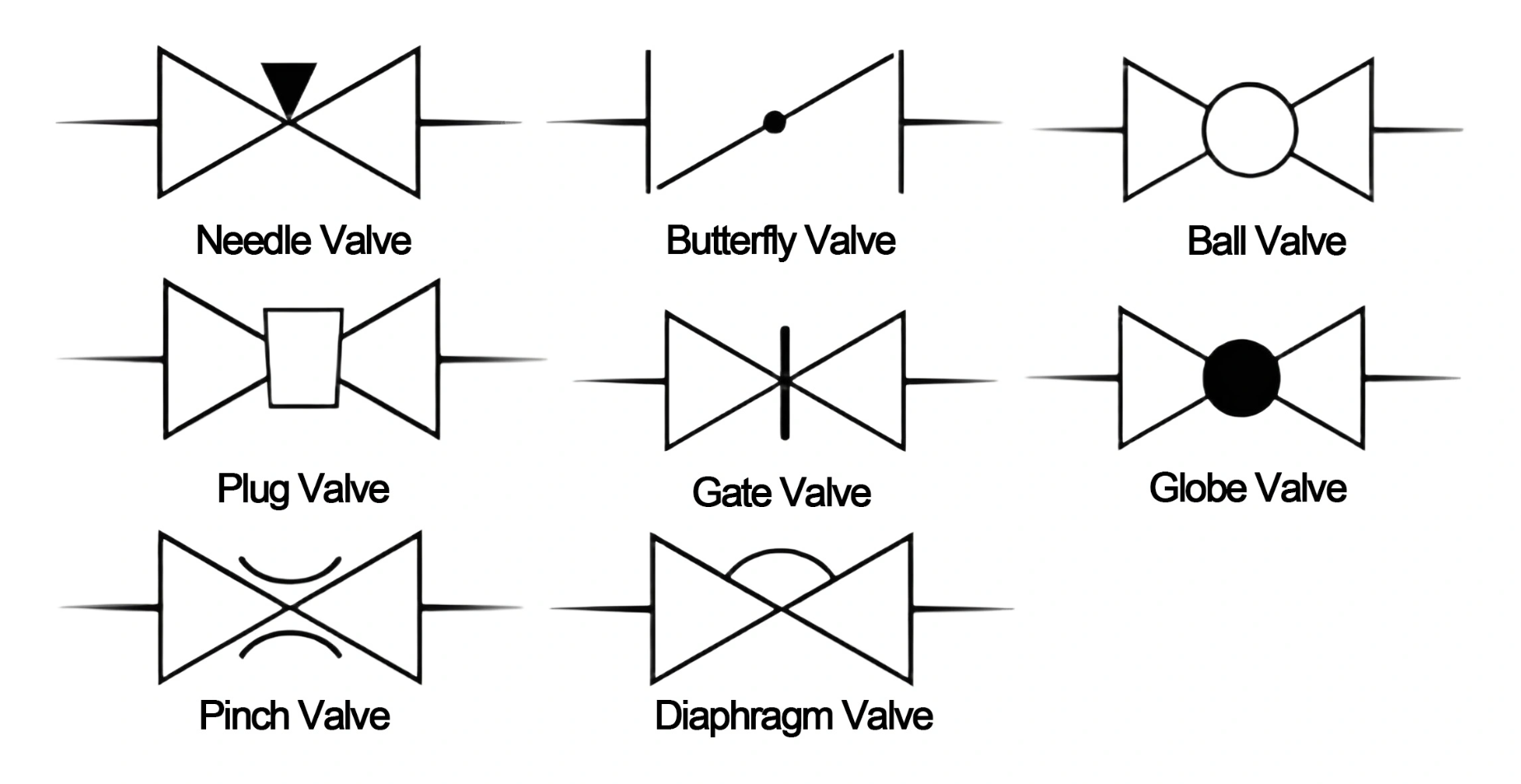
Exploring Valve Types in Bioprocessing: Essential Components for Precision Flow Control
In biopharmaceutical manufacturing, valves are far more than simple on/off devices—they are precision control elements that ensure stable, repeatable flow and pressure while minimizing variability during scale-up. This guide explores essential valve types used in modern bioprocessing: diaphragm valves for superior hygienic isolation, pinch valves for unmatched single-use media isolation and ultra-low shear, ball valves for reliable shutoff, butterfly valves for economical modulation, and check valves for backflow prevention.
Understand design advantages, limitations, and ideal applications in upstream fermentation, downstream purification, and fill/finish operations. Prioritize low-shear handling to safeguard sensitive biologics like mAbs, cell therapies, and viral vectors. Compare single-use vs. multi-use options and see how Alphinity's ARTēVA® pinch valves, VannX™ diaphragm solutions, and ConSynSys monitoring bridge process development to GMP production.
Read on for practical insights to optimize your bioprocess, reduce risks, and enhance compliance. Next: Valve actuation strategies.
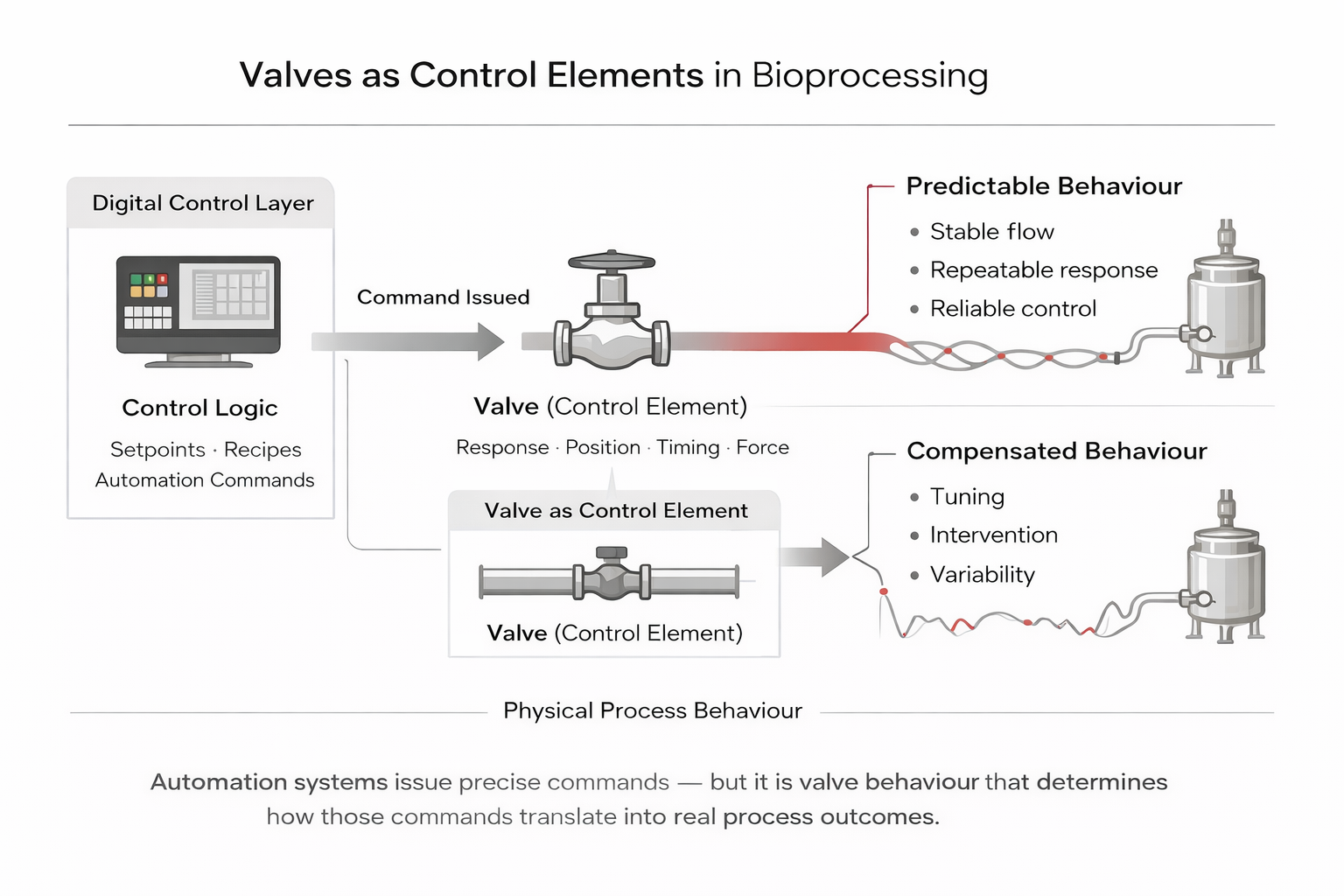
Valves as Control Elements
Valves are not passive components in bioprocessing automation. As control elements, they determine how digital commands translate into real-world process behavior, stability, and repeatability.
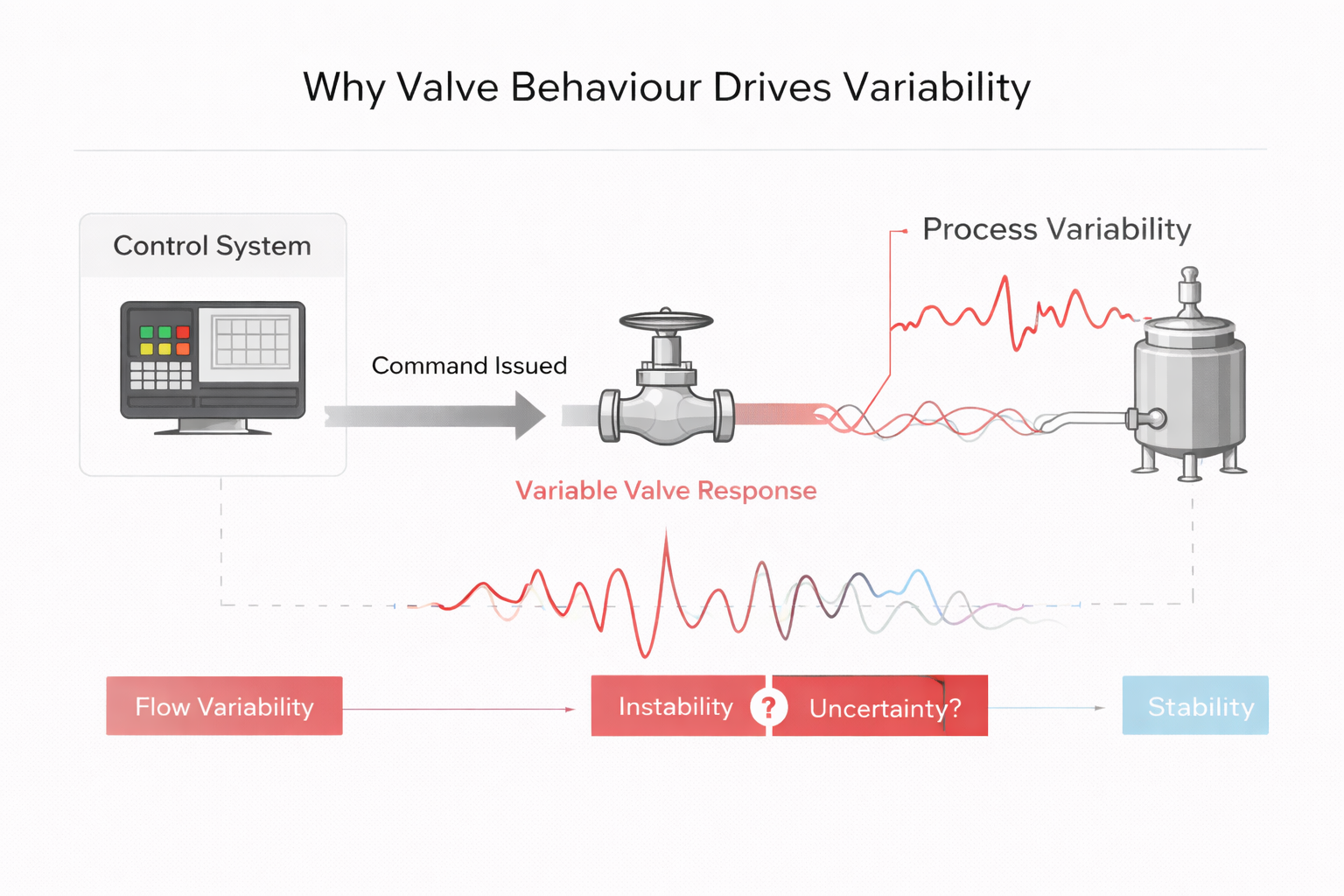
Why Valve Behavior Drives Variability
Many bioprocessing systems appear automated but behave unpredictably. This article explains how valve behavior introduces variability into flow, pressure, and control — and why that variability compounds as processes scale.
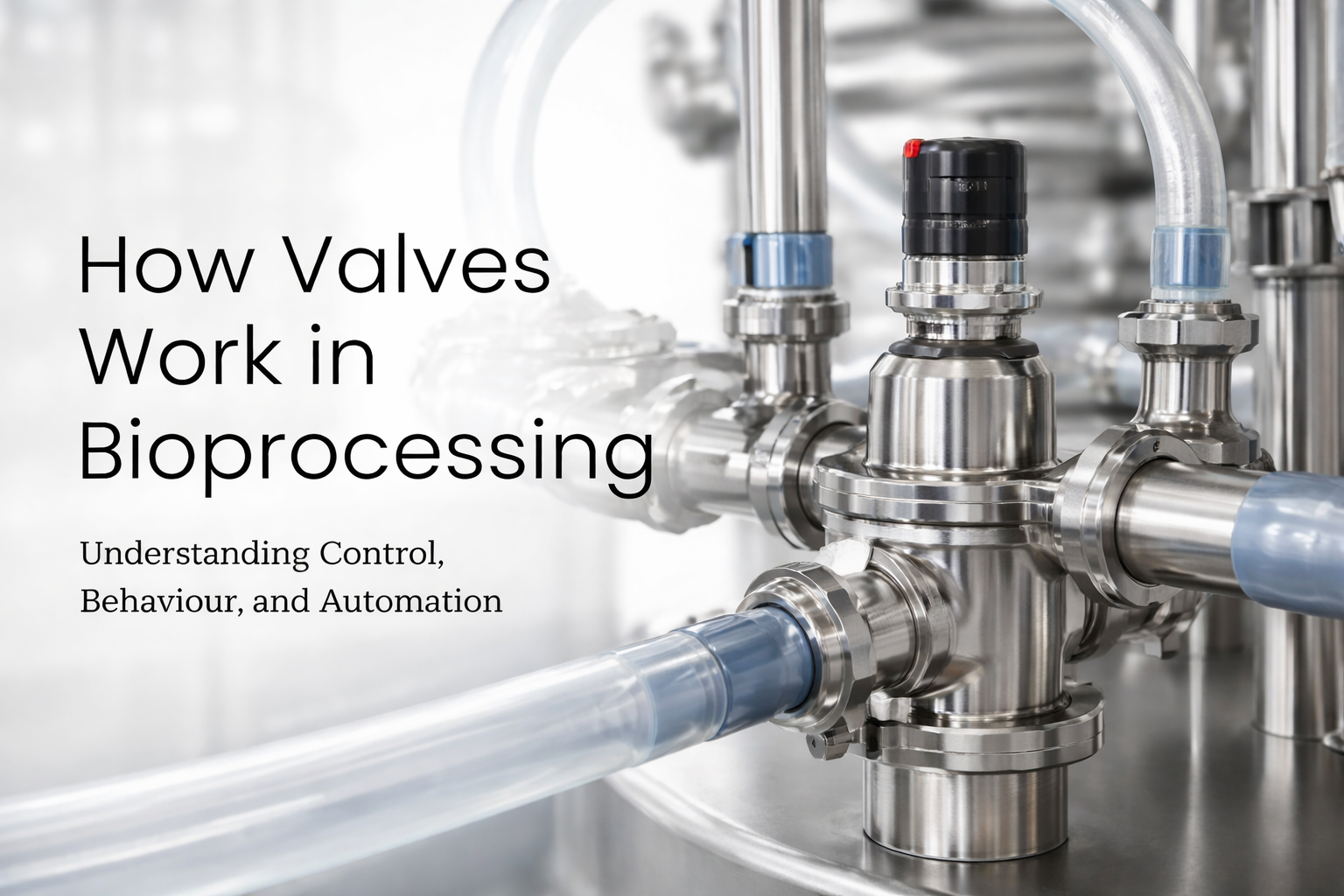
What a Valve Really Does
In modern bioprocessing, valves act as behavioral control points rather than simple on/off components. This article explains how valve behavior affects automation, process stability, and repeatability as systems scale.